



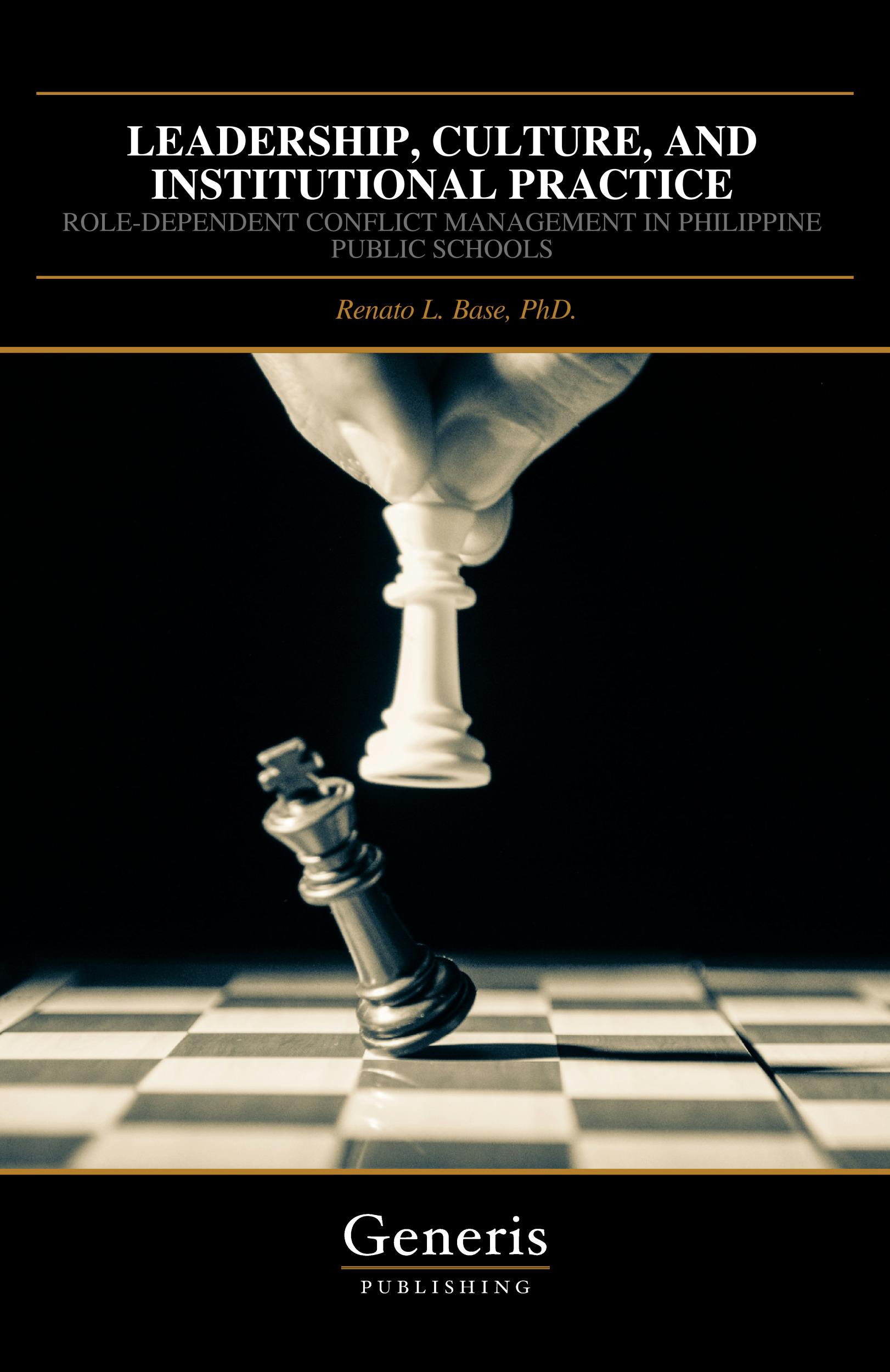
This monograph examines conflict management in Philippine public schools, arguing that conflict is a normal organizational reality shaped by roles, culture, communication, and institutional context. Drawing on data from 276 teachers and 18 principals in nine central schools in Cagayan de Oro City, the study used an adapted Thomas-Kilmann Conflict Mode Instrument (TKI) to analyze how conflict styles relate to school performance.
Findings show that collaborative problem-solving among teachers is associated with better learning outcomes, while accommodating and compromising approaches are beneficial for principals. In contrast, avoidance, particularly among school leaders, is linked to poorer outcomes. Miscommunication was identified as the leading cause of conflict among teachers, while principals pointed to gossip as the primary trigger.
The study emphasizes that effective conflict management is role-dependent and culturally influenced by Filipino values such as pakikisama, hiya, kapwa, and bayanihan.
| Pages: | 440 |
|---|---|
| Published: | 2026 |
| ISBN: | 979-8-89966-922-4 |
| Language: | English |
| Category: | Education, Management |
Copyright © 2021 All rights reserved | Generis Publishing
